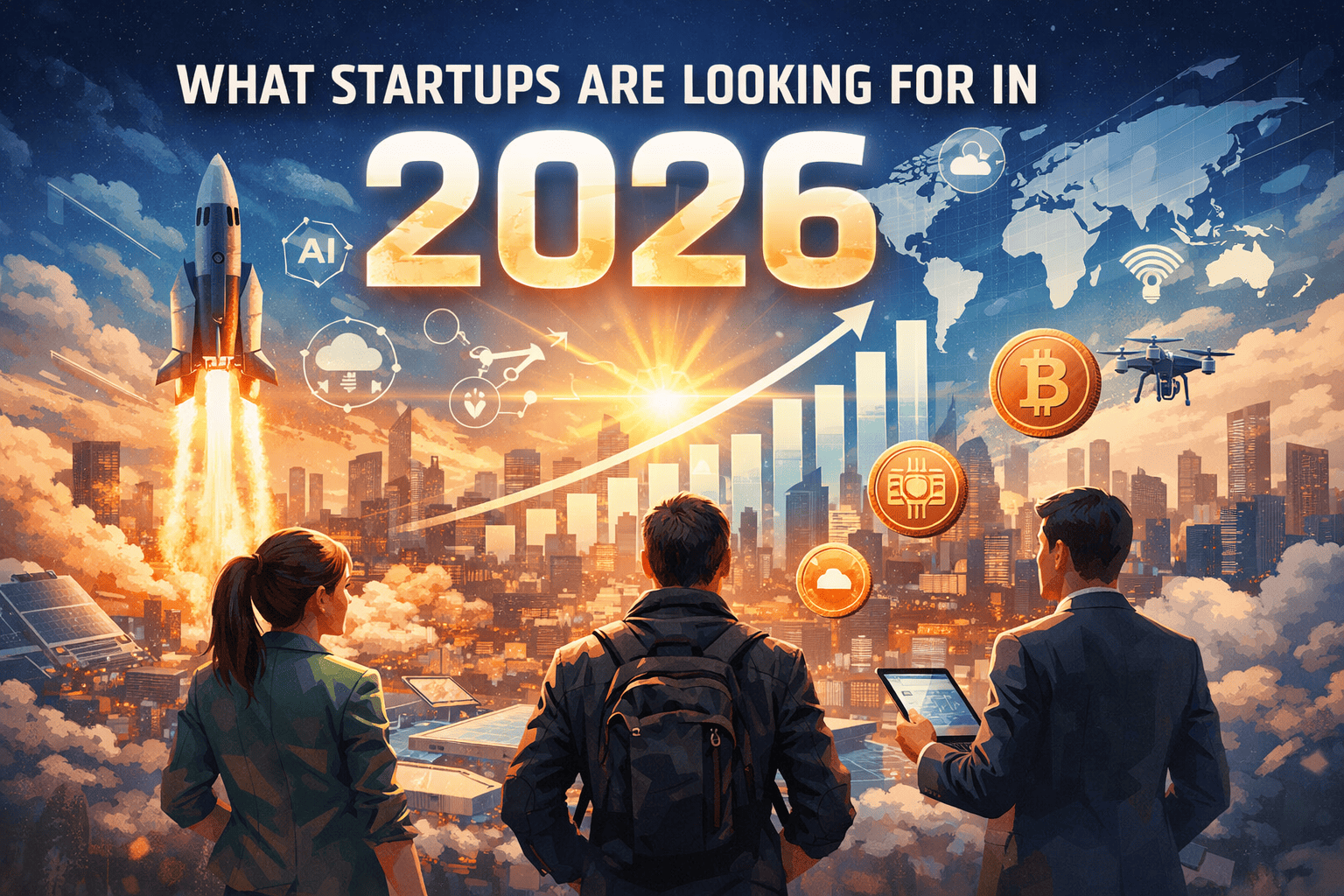
The startup ecosystem is evolving rapidly. As we move further into 2026, founders are no longer focused solely on launching innovative products. Instead, they are looking for technologies, partnerships, and infrastructure that can help them build scalable, secure, and sustainable businesses. Startups today operate in an environment where competition is global, user expectations are higher than ever, and technological advancement is accelerating at an unprecedented pace.
Events such as Startup Mahakumbh 2026 bring together founders, investors, and innovators who are shaping the next phase of entrepreneurship. In these spaces, the discussions are not only about new ideas but also about what startups truly need to succeed in the coming years.
In 2026, startups are looking for more than funding. They are searching for strong technological foundations, reliable infrastructure, and strategic collaborations that allow them to innovate faster while maintaining stability. Let’s explore the key priorities startups are focusing on as they build the companies of the future.
Scalable Technology Infrastructure
One of the most important factors for startups in 2026 is the ability to scale quickly without breaking systems or processes. In earlier stages of the startup ecosystem, many founders built minimal technology just to launch their products. However, as startups scale faster today, weak infrastructure can quickly become a major bottleneck.
Startups are now prioritizing technologies that allow them to grow smoothly as their user base expands. Cloud platforms, distributed systems, and decentralized technologies such as blockchain are gaining popularity because they offer greater reliability and flexibility.
Scalable infrastructure ensures that startups can handle increasing customer demand, manage large volumes of data, and expand their services without experiencing downtime or performance issues. Founders are increasingly working with technology partners who can help them design systems that are built for long-term growth rather than short-term experimentation.
Strong Data Security and Trust
As digital platforms continue to grow, data security has become a top concern for startups. Companies handle sensitive information ranging from customer data to financial transactions, making them attractive targets for cyber threats.
Startups in 2026 understand that trust is a key factor in building long-term relationships with users and partners. A single security breach can damage reputation and slow down growth significantly.
This is why startups are investing in technologies that strengthen data protection. Blockchain-based systems, secure authentication frameworks, and advanced encryption methods are becoming more common in startup architectures.
Beyond technical security, startups are also focused on building transparent systems that allow users to understand how their data is stored and used. Trust has become a competitive advantage, and startups that prioritize security from the beginning are more likely to gain credibility in the market.
Automation and Operational Efficiency
Speed is critical in the startup world. Founders must launch products, acquire users, manage operations, and secure funding while competing against other fast-moving companies. As a result, startups are actively looking for tools that automate repetitive processes and improve efficiency.
Automation technologies are helping startups reduce manual work in areas such as customer onboarding, payments, supply chain management, and contract execution. Smart contracts, workflow automation systems, and AI-powered tools allow startups to streamline operations while maintaining accuracy.
By reducing administrative burdens, startups can focus more on innovation and strategic decision-making. Automation also helps startups maintain consistent service quality as they grow, which is essential for building a strong reputation.
In industries like fintech, logistics, and e-commerce, automated systems can dramatically improve transaction speed and reduce operational costs.
Integration of AI and Emerging Technologies
Artificial intelligence is no longer a futuristic concept—it has become a practical tool that startups are integrating into their products and services. In 2026, founders are increasingly looking for ways to combine AI with other emerging technologies such as blockchain, IoT, and advanced analytics.
AI enables startups to process massive amounts of data, identify patterns, and generate insights that support better decision-making. For example, AI-powered recommendation systems improve user experience in digital platforms, while predictive analytics helps startups optimize supply chains or financial operations.
Startups are also exploring how decentralized technologies can work alongside AI systems to ensure data integrity and transparency. The combination of these technologies opens new possibilities for building intelligent and trustworthy digital platforms.
As innovation accelerates, startups that effectively integrate multiple technologies into their solutions are likely to gain a strong competitive edge.
Access to Strategic Partnerships
Another important priority for startups in 2026 is building the right partnerships. Successful startups rarely grow in isolation; they rely on collaborations with technology providers, enterprise partners, and investors who can support their growth journey.
Technology partnerships are particularly important for startups that need specialized expertise. Instead of building every component from scratch, many startups prefer to collaborate with companies that provide advanced development services and infrastructure support.
These partnerships help startups move faster, reduce development risks, and access industry knowledge that might otherwise take years to build internally.
For example, startups developing blockchain-enabled platforms often partner with experienced technology companies to ensure their systems are secure, scalable, and aligned with industry best practices.
Companies like Tantrija Enterprise play an important role in supporting startups by providing enterprise-grade blockchain and technology development solutions that enable innovative products to reach the market faster.
Flexible and Future-Ready Business Models
The startup landscape is constantly changing, and founders must be prepared to adapt quickly. Business models that worked five years ago may no longer be effective in today’s digital economy.
In 2026, startups are focusing on building flexible business models that can evolve as market conditions change. Subscription services, digital platforms, decentralized marketplaces, and tokenized ecosystems are becoming increasingly popular.
These models allow startups to experiment with new revenue streams while maintaining agility. For example, digital platforms can scale globally without the physical limitations of traditional businesses.
Blockchain technology also introduces new possibilities such as decentralized governance and token-based ecosystems, enabling startups to create communities that actively participate in platform growth.
Future-ready startups are those that combine innovative business models with strong technological foundations.
Investor Confidence and Sustainable Growth
While innovation is essential, startups in 2026 are also paying closer attention to financial sustainability. Investors are becoming more selective, focusing on startups that demonstrate clear business value, responsible growth strategies, and long-term viability.
This means startups must balance rapid expansion with sound financial planning. Technologies that improve transparency, operational efficiency, and accountability are particularly valuable in this context.
Blockchain systems, for example, can provide transparent transaction records and automated financial processes, which can increase investor confidence.
Startups that build reliable systems and maintain clear governance structures are more likely to attract investment and build lasting partnerships.
Community and Ecosystem Building
Modern startups are not just businesses—they are ecosystems. Successful companies often build communities around their platforms, including developers, users, partners, and investors who contribute to the platform’s growth.
In 2026, startups are placing greater emphasis on community-driven innovation. Open developer platforms, collaborative ecosystems, and decentralized governance models allow startups to harness collective creativity.
This approach helps startups scale innovation beyond their internal teams while building stronger loyalty among users and contributors.
Events like Startup Mahakumbh 2026 provide valuable opportunities for startups to connect with these broader ecosystems. By interacting with investors, technology providers, and fellow entrepreneurs, startups can discover partnerships and ideas that accelerate their growth.
Looking Ahead
The startup landscape of 2026 reflects a shift from simple product experimentation to building robust, technology-driven businesses capable of competing on a global scale. Founders are increasingly aware that success depends not only on innovative ideas but also on the infrastructure and partnerships that support those ideas.
Startups today are looking for scalable technology, strong security frameworks, automation tools, strategic partnerships, and adaptable business models that allow them to grow sustainably.
Technology partners such as Tantrija Enterprise help startups turn ambitious ideas into real-world platforms by providing advanced development expertise and enterprise-grade solutions.
As the startup community gathers at Startup Mahakumbh 2026, these conversations will continue to shape the future of entrepreneurship in India. The startups that embrace innovation, build reliable infrastructure, and collaborate with the right partners will be best positioned to lead the next generation of digital transformation.